
The Correct and Tight Technique for Joining Metal Roof Tiles
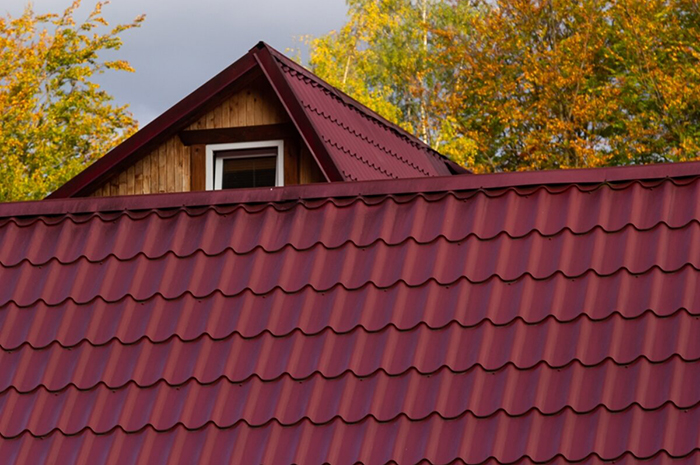
Metal roof tiles offer many advantages, such as lightweight, high durability, and a modern appearance. However, these advantages will be compromised if installed carelessly. Here are some specific techniques for joining metal roof tiles that can be applied.
1. Using Proper Overlapping
Overlapping is a basic technique in installing metal roof tiles. Each sheet of roof tile must overlap the adjacent sheet to the appropriate size. Typically, the overlap is about 10–15 cm on the sides and 20–30 cm on the top and bottom.
2. Using Special Roofing Screws
Metal roof tile joints must use special roofing screws equipped with rubber washers. These screws are designed to prevent water from entering through the mounting holes. Ensure the screws are installed at a consistent spacing, usually every 25–30 cm along the overlap.
3. Sealing Joints with Sealant or Special Coating
In addition to overlapping and screws, some professional roofers use sealant or an additional sealing layer at the joints. Sealant helps fill small gaps and prevents water from seeping in.
4. Joining According to Wind Direction and Roof Slope
The direction in which metal roof tiles are installed also affects the quality of the joints. Ideally, installation is done from the side opposite the dominant wind direction. This way, wind doesn't easily penetrate the joints.
5. Check and Adjust Each Sheet During Installation
Each sheet of metal roof tile must be ensured to be parallel and level before screwing. Hasty installation can cause the sheets to tilt, resulting in imperfect overlap. Workers usually use string or a long ruler as a guide to ensure straight joints.
Those are some special techniques for joining metal roof tiles that can be applied. Correct and tight metal roof tile joining techniques will make the metal roof more durable and long-lasting. We hope this is helpful.