
Tips for Fast and Accurate Metal Roof Installation
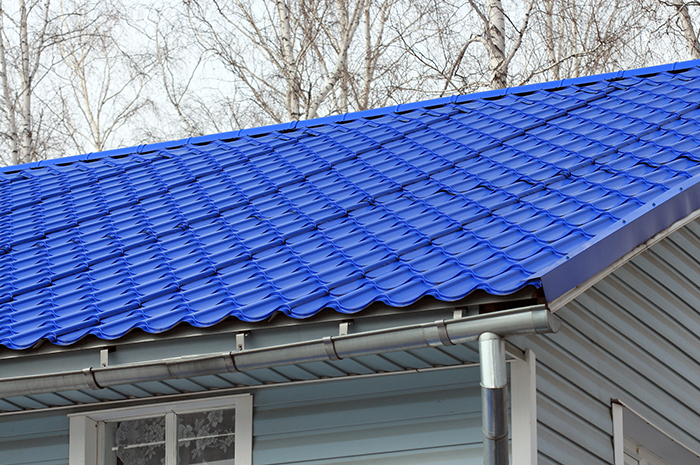
Improper installation can cause various problems such as leaks, swaying due to strong winds, and even long-term damage to the roof structure. Here are some tips for fast and precise metal roof installation. Let's take a look!
1. Prepare a Strong and Precise Frame
Before installing a metal roof, ensure the supporting frame, whether made of lightweight steel or hollow iron, is properly and securely installed. A precise frame will speed up the installation process and prevent leaks due to uneven gaps.
2. Use Special Metal Screws
Use special metal screws to ensure tight and waterproof connections. Screws should also be installed evenly and at consistent spacing to prevent the roof from swaying or lifting in the wind.
3. Install from Top to Bottom
Start installation from top to bottom, following the prevailing wind direction. This is important to prevent rainwater from entering the joints and minimize the risk of leaks.
4. Use the Right Cutting Tools
Use special lightweight steel shears to cut metal. Avoid using grinders or hot cutting tools such as welding torches or cutting torches, as they can damage the metal's protective coating and accelerate corrosion.
5. Pay Attention to the Ideal Roof Slope
Ensure the metal roof slope is not too steep. The ideal minimum slope is 10–15 degrees to allow rainwater to drain smoothly and prevent pooling on the roof surface.
6. Use Neat Gutters and Flashing
Install gutters and flashing to prevent water from entering joints or walls. Neatly installed gutters will speed up the flow of rainwater into the drainage system, while maintaining the cleanliness and durability of the roof.
7. Double-Check All Connections and Screws
Once the roof is installed, double-check all connections, screws, and corners. Ensure that nothing is loose or protruding to ensure a neat and durable result.
This concludes our information on metal roof installation tips. Proper installation can speed up the construction process, ensure strength, safety, and comfort for years to come, minimizing potential problems such as leaks or premature damage.